
Egy többintézményes nemzetközi kutatócsapat – köztük a Hongkongi Polytechnic Egyetem, az oxfordi és a lausanne-i ETH kutatói – olyan mesterséges intelligenciával vezérelt robotplatformot mutatott be, amely zárt hurkú rendszerben képes önállóan megtervezni, legyártani és optimalizálni perovszkit napelemcellákat. A fejlesztés eredményeit az Engineering folyóirat közölte.
A rendszer alapját egy ún. receptnyelvi modell (RLM) képezi, amelyet közel 60 000 tudományos publikáció adatával tanítottak be. A hétréteges AI-architektúra receptek generálásától a kiértékelésen át az optimalizálásig minden lépést kezel, majd az eredményeket visszacsatolja a modellbe – ezzel folyamatosan javítva a következő kísérlet minőségét.
A fizikai gyártást 11 robotdoboz végzi, amelyek összesen 101 funkcionális egységet, több mint 1500 alkatrészt és 4300 feletti vezérelhető paramétert foglalnak magukba. Az első három doboz vegyszerkezeléssel, az utolsó nyolc pedig spin-coating, lézeres feldolgozás, vákuumos vékonyréteg-leválasztás és egyéb gyártási folyamatok elvégzésével foglalkozik. A beépített kamerák és szenzorok valós idejű adatokat szolgáltatnak.
A kísérletek négy fejlesztési szakaszon mentek keresztül: az első, irányítatlan fázisban a hatásfok 0–17,4% között mozgott; a második szakaszban adalékanyagok és önszerveződő monorétegek (SAM) bevonásával ez 23%-ra nőtt; felületi passzivációval 25,6%-ra emelkedett; a végső konfigurációban pedig elérték a 27,0%-ot (hitelesített értéken 26,5%-ot). A kutatás során összesen 50 764 eszközt gyártottak és teszteltek.
A perovszkit technológia a napelemipar egyik legígéretesebb fejlesztési iránya, és ez az eredmény közelebb hozza a nagyipari alkalmazást. Magyarországon a napelemes beruházások iránt egyre növekvő érdeklődés tapasztalható – különösen a háztartási méretű kiserőművek (HMKE) szabályozási kereteinek változásai után –, így a hatékonyabb és olcsóbban gyártható cellák közvetlenül érinthetnék a hazai piacot is.
Gyors válasz magyar olvasóknak
Röviden
Egy nemzetközi kutatócsoport mesterséges intelligenciával vezérelt robotrendszert fejlesztett, amely önállóan tervez, gyárt és optimalizál perovszkit napelemcellákat. A rendszer több mint 50 000 eszközt tesztelt, és 27%-os (hitelesítve: 26,5%) hatásfokot ért el.
Mit jelent ez otthon?
Napelemnél a fogyasztási görbe, a tető adottsága és az inverter bővíthetősége dönti el, hogy a hír valóban érinti-e a megtérülést.
Következő lépés
Használj kalkulátort, majd kérj konkrét rendszertervet, mert a jó válasz házanként eltér.
Kalkulátorok megnyitásaNapi zaj helyett heti lényeg
Jónapelem ajánlat
Napelemes vagy energiatárolós rendszeren gondolkodik?
A jonapelem.hu-n komplett napelemes, hibrid inverteres és energiatárolós megoldásokról kérhet ajánlatot, tervezéssel és telepítéssel.
Kövesse az EnergiaPro-t Facebookon
A Facebook-oldalon rövid híreket, magyar piaci szempontokat és friss cikkajánlókat teszünk közzé.
Facebook oldal megnyitásaForrás: Fabricating perovskite solar cells with robotic boxes - PV Magazine International· AI-asszisztált átfogalmazás
Kapcsolódó cikkek
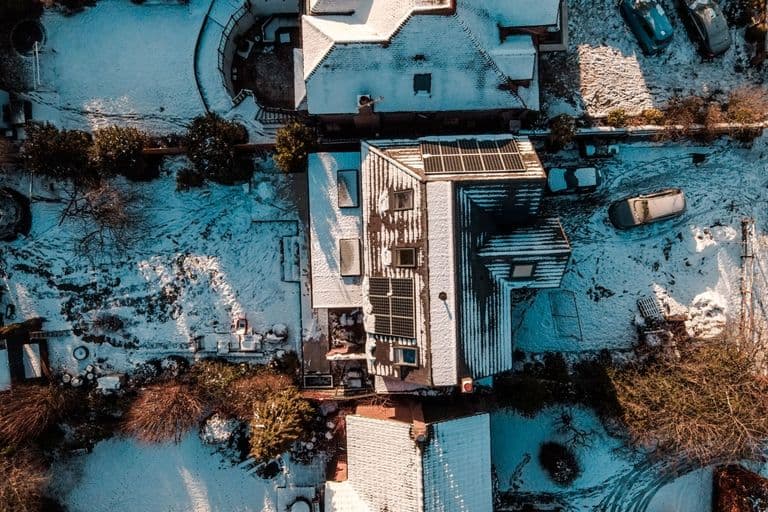
Mennyit termel a napelem télen? Reális elvárások havi bontásban
A napelem télen a nyári termelés töredékét adja: a rövid nappalok, az alacsony napállás, a köd és a hó miatt a négy legsötétebb hónap együtt nagyságrendileg az éves termelés tizede-ötöde. Megmutatjuk, mit jelent ez a villanyszámlán és az önfogyasztásban, hogyan segít a tároló és az okos időzítés, mit tegyél a hóval, és miért ne a télre méretezd a rendszert.
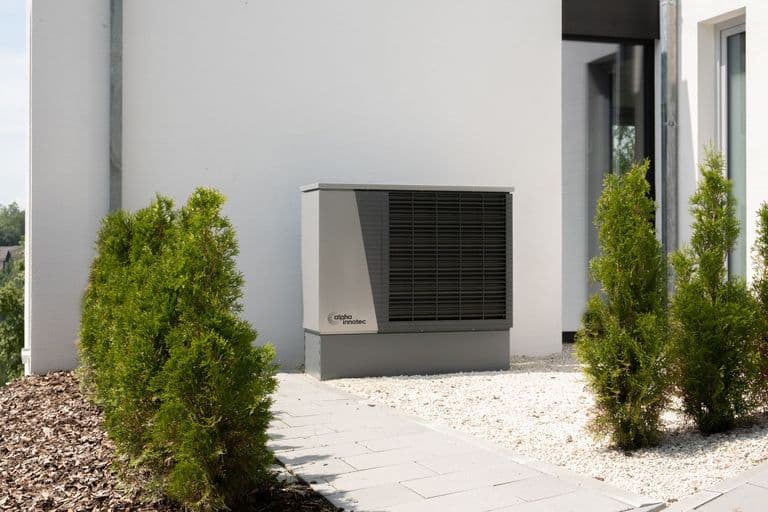
Hőszivattyú a fűtésszezon előtt: szeptemberi ellenőrzőlista
A hőszivattyú a leghidegebb hónapokban dolgozik a legtöbbet, de hogy mennyi áramból teszi, azt nagyrészt a szeptemberi előkészítés dönti el. Összeszedtük, mit érdemes magadnak átnézned a kültéri egységtől a fűtési görbéig, mit hagyj a szakszervizre, és hogyan hozhatod ki a legtöbbet a napelemből az őszi hónapokban.
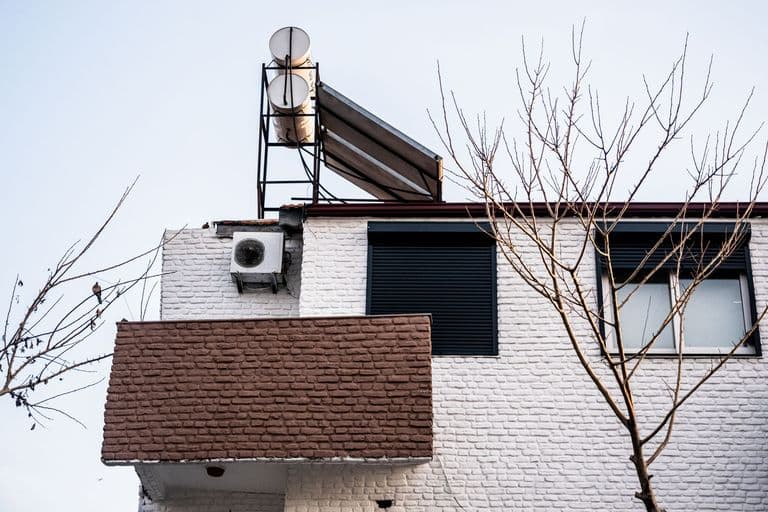
Klímázás napelemmel 2026 nyarán: ennyit spórolhatsz a hűtésen
A kánikulában a klíma a háztartás egyik legnagyobb áramfogyasztója — miközben a napelem éppen ilyenkor termel a legtöbbet. Megnéztük, mennyibe kerül a hűtés napelem nélkül és napelemmel, mekkora rendszer kell hozzá, és mire figyelj a méretezésnél.
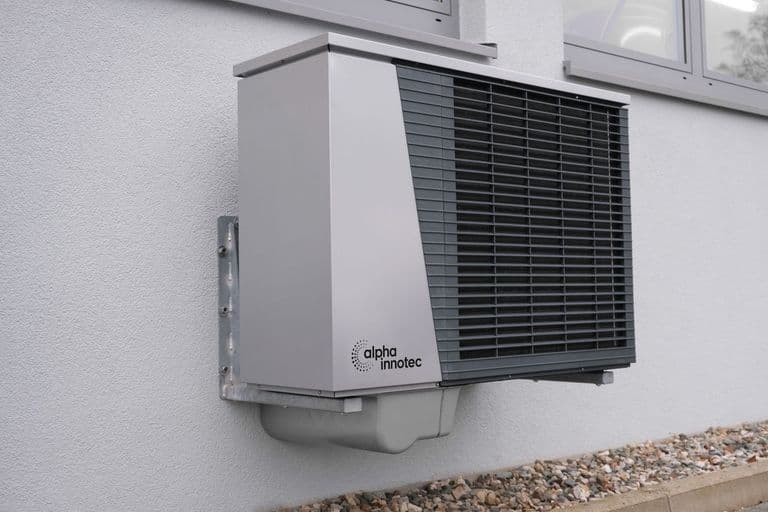
H tarifa, hőszivattyú és napelem: így gondolkodj együtt
A hőszivattyú, a napelem és a kedvezményes H tarifa együttes alkalmazása komoly megtakarítást hozhat egy magyar családi házban — de csak akkor, ha az összképet nézzük, nem külön-külön az egyes elemeket. Ez az útmutató végigvezet a döntési logikán, a buktatókon és a legfontosabb szempontokon.
Hozzászólások
0 hozzászólásLegyél az első, aki hozzászól.