
A kínai CATL (Contemporary Amperex Technology Co. Limited) a világ vezető akkumulátorgyártója, és újabb mérföldkőre készül: a cég szilárdtest (solid-state) akkumulátor technológiát fejleszt, amely az iparági hírek szerint akár 1000–1500 kilométeres hatótávot is biztosíthat egyetlen töltéssel. Ez közel háromszorosa a ma elérhető legjobb tömeggyártású elektromos autók hatótávolságának.
A szilárdtest akkumulátor lényege, hogy a hagyományos folyékony elektrolitot szilárd anyagra cseréli. Ez nemcsak nagyobb energiasűrűséget tesz lehetővé, hanem biztonságosabb is – kisebb a rövidzárlat és a hőkiáramlás kockázata. A CATL mellett Toyota, Samsung SDI és QuantumScape is versenyez ebben a szegmensben, de a tömeggyártás még mindegyiküknél megoldatlan kihívás.
A hatótávra vonatkozó számok – 1000–1500 km – egyelőre fejlesztési célt jelölnek, nem kereskedelmi ígéretet. Az iparági elemzők szerint a szilárdtest akkumulátorok sorozatgyártása a 2027–2030-as időszakra tehető realisztikusan, a gyártási költségek csökkentése és a hosszú élettartam igazolása még komoly feladatot jelent. Hazai szempontból ez azt jelenti, hogy Magyarországon – ahol a CATL debreceni gigagyárja már épül – a technológiai fejlesztések közvetlen közelről érinthetik a hazai ipart és munkaerőpiacot.
Magyar EV-sofőrök számára a 1000+ kilométeres hatótáv mindennapi szinten azt jelentené, hogy a legtöbb Budapest–nyugat-európai útvonal akár egyetlen töltés nélkül teljesíthető lenne. A jelenlegi, átlagosan 400–600 km-es hatótávú autókhoz képest ez teljesen új utazási élményt és a nyilvános töltőhálózat igénybevételének drasztikus csökkentését hozná magával. A fogyasztói ár kérdése nyitott: az első szilárdtest autók várhatóan prémium kategóriában jelennek meg, a technológia demokratizálódása pedig évekbe telhet.
A CATL debreceni beruházása – amelynek értéke ~7,3 milliárd euró, azaz közel 2800 milliárd forint – jól mutatja, hogy a cég Magyarországot stratégiai európai bázisának tekinti. Ha a szilárdtest technológia tömeggyártása a CATL-nél valósul meg, annak első európai lerakata akár Debrecenben is lehet, ami óriási lökést adna a hazai elektromobilitási ökoszisztémának.
Gyors válasz magyar olvasóknak
Röviden
A világ legnagyobb akkumulátorgyártója, a CATL állítólag szilárdtest technológián dolgozik, amely akár 1000–1500 kilométeres hatótávot is lehetővé tehet. Ha a technológia tömeggyártásba kerül, gyökeresen átírhatja az elektromos autókról alkotott képet – és a hazai EV-piacon is komoly hatást gyakorolhat.
Mit jelent ez otthon?
A magyar háztartásoknál a hír akkor válik gyakorlati döntéssé, ha fogyasztási adattal, villanyszámlával és jövőbeli bővítési tervvel együtt nézzük.
Következő lépés
Használj kalkulátort, majd kérj konkrét rendszertervet, mert a jó válasz házanként eltér.
Kalkulátorok megnyitásaNapi zaj helyett heti lényeg
Jónapelem ajánlat
Napelemes vagy energiatárolós rendszeren gondolkodik?
A jonapelem.hu-n komplett napelemes, hibrid inverteres és energiatárolós megoldásokról kérhet ajánlatot, tervezéssel és telepítéssel.
Kövesse az EnergiaPro-t Facebookon
A Facebook-oldalon rövid híreket, magyar piaci szempontokat és friss cikkajánlókat teszünk közzé.
Facebook oldal megnyitásaKapcsolódó cikkek
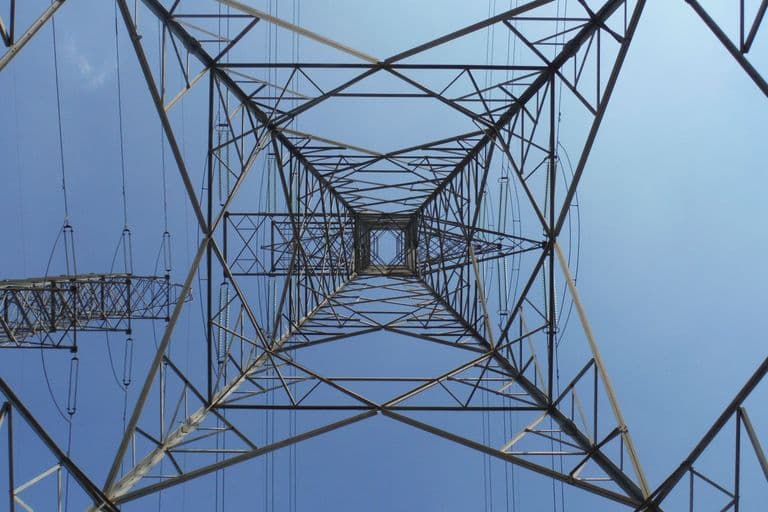
Okos hálózat: a kommunikáció az energiarendszer alapja
Az Utility Broadband Alliance (UBBA) új tagokkal bővült, köztük az Eversource Energy és a Hawaiian Electric vállalatokkal. A szövetség célja, hogy a korszerű kommunikációs hálózatok révén tegyék megbízhatóbbá és rugalmasabbá az elektromos hálózatot – ami otthoni napelemes rendszerek és energiatárolók szempontjából sem közömbös.
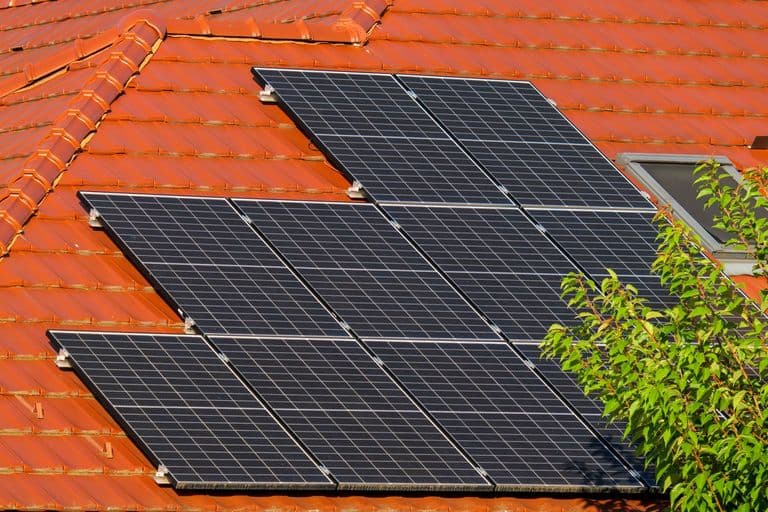
Jackery napelemes tető + SolarVault 3: otthoni energiatárolás új szinten
A Jackery bemutatta napelemes tetőrendszerét és SolarVault 3 otthoni energiatároló megoldását. Az új rendszer a saját felhasználás maximalizálására épít – ez pontosan az a terület, ahol a magyar háztulajdonosoknak is érdemes figyelni.
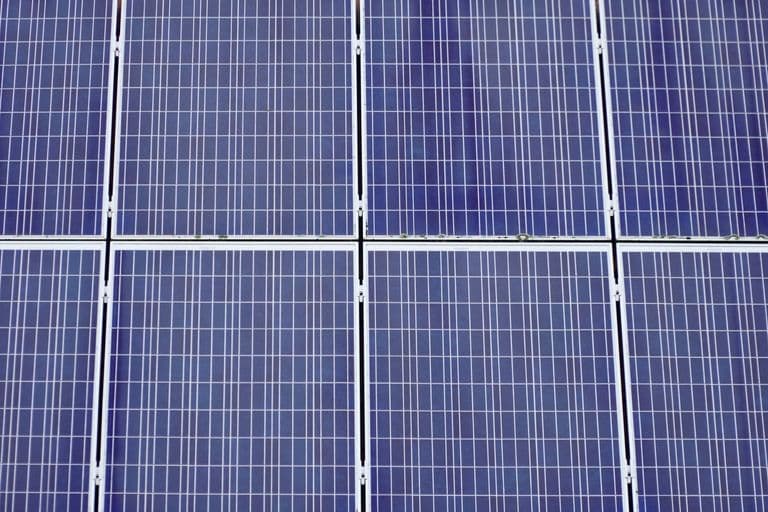
Napelem télen: hogyan bírja a rendszer a hideget?
Az amerikai Energiaügyi Minisztérium útmutatót adott ki napelemes rendszerek téliesítéséről és ellenállóképességének növeléséről. A témának Magyarországon is egyre nagyobb a tétje: a szélsőséges téli időjárás komoly kiesést okozhat a naperőművekben és a háztartási napelemeken egyaránt.
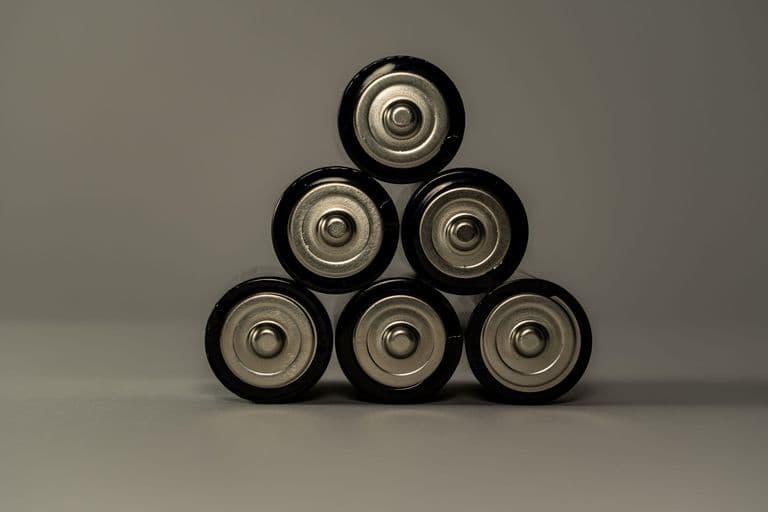
GM nátrium-ion akkumulátort gyárt hálózati tároláshoz
A General Motors és a Peak Energy bejelentette, hogy közösen fejlesztenek nátrium-ion akkumulátor cellákat hálózati energiatároláshoz. A GM a michigani laboratóriumaiban gyártja a cellákat, a Peak Energy pedig saját BESS-rendszereibe integrálja azokat. Ez az együttműködés az energiatárolás terén hozhat áttörést.
Hozzászólások
0 hozzászólásLegyél az első, aki hozzászól.