
A mesterséges intelligencia robbanásszerű terjedése drámai energiaigény-növekedést hozott: az adatközpontok fogyasztása az amerikai villamosenergia-hálózaton egyre nehezebben kezelhető terhelést jelent. A helyzet olyan méreteket ölt, hogy szövetségi és tagállami szinten egyaránt megoldásokat keresnek a szabályozók.
A vita középpontjában az a kérdés áll, hogy a nagy tech- és AI-cégek – amelyek a hálózati kapacitás egyre nagyobb szeletét foglalják le – kötelezhetők-e a szükséges infrastruktúra-fejlesztések finanszírozásának arányos átvállalására. Jelenleg ugyanis a hálózatbővítés költségeit javarészt a hagyományos fogyasztók fizetik meg a villanyszámlájukon keresztül.
Magyarországon hasonló kérdések egyelőre kisebb léptékben merülnek fel, ugyanakkor az energiaátmenet és a hálózati kapacitáshiány itthon is valós probléma – különösen a napelemes és megújuló energiás csatlakozásoknál tapasztalható torlódások miatt. A hazai szabályozói környezet (MEKH, MAVIR) még nem szembesült adatközpont-léptékű igényekkel, de a trend globálisan egyértelmű.
Az energiaszektorban dolgozó szakemberek szerint a megoldás komplex: egyrészt szigorúbb hálózati hozzáférési díjak, másrészt az adatközpontok saját megújuló kapacitásának (pl. napenergia, tárolás) kötelező fejlesztése jöhet szóba. A vita kimenetele az egész energiaátmenet ütemét befolyásolhatja.
Gyors válasz magyar olvasóknak
Röviden
Az MI-boom nyomán az adatközpontok egyre nagyobb terhet rónak az elektromos hálózatokra. Az USA-ban már országos szintű vita zajlik arról, hogy rákényszeríthetők-e a tech-óriások a hálózatfejlesztési költségek arányos viselésére.
Mit jelent ez otthon?
A magyar háztartásoknál a hír akkor válik gyakorlati döntéssé, ha fogyasztási adattal, villanyszámlával és jövőbeli bővítési tervvel együtt nézzük.
Következő lépés
Használj kalkulátort, majd kérj konkrét rendszertervet, mert a jó válasz házanként eltér.
Kalkulátorok megnyitásaNapi zaj helyett heti lényeg
Jónapelem ajánlat
Napelemes vagy energiatárolós rendszeren gondolkodik?
A jonapelem.hu-n komplett napelemes, hibrid inverteres és energiatárolós megoldásokról kérhet ajánlatot, tervezéssel és telepítéssel.
Kövesse az EnergiaPro-t Facebookon
A Facebook-oldalon rövid híreket, magyar piaci szempontokat és friss cikkajánlókat teszünk közzé.
Facebook oldal megnyitásaForrás: Data centers are straining the grid. Can they be forced to pay for it? - Renewable Energy World· AI-asszisztált átfogalmazás
Kapcsolódó cikkek
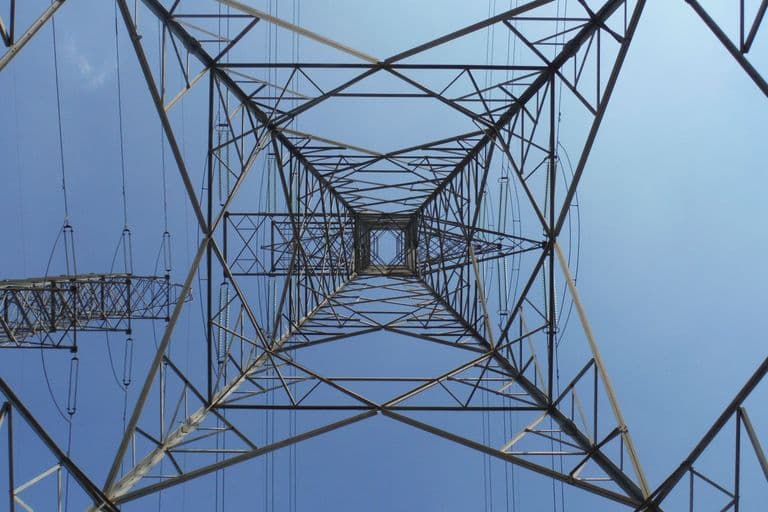
Okos hálózat: a kommunikáció az energiarendszer alapja
Az Utility Broadband Alliance (UBBA) új tagokkal bővült, köztük az Eversource Energy és a Hawaiian Electric vállalatokkal. A szövetség célja, hogy a korszerű kommunikációs hálózatok révén tegyék megbízhatóbbá és rugalmasabbá az elektromos hálózatot – ami otthoni napelemes rendszerek és energiatárolók szempontjából sem közömbös.
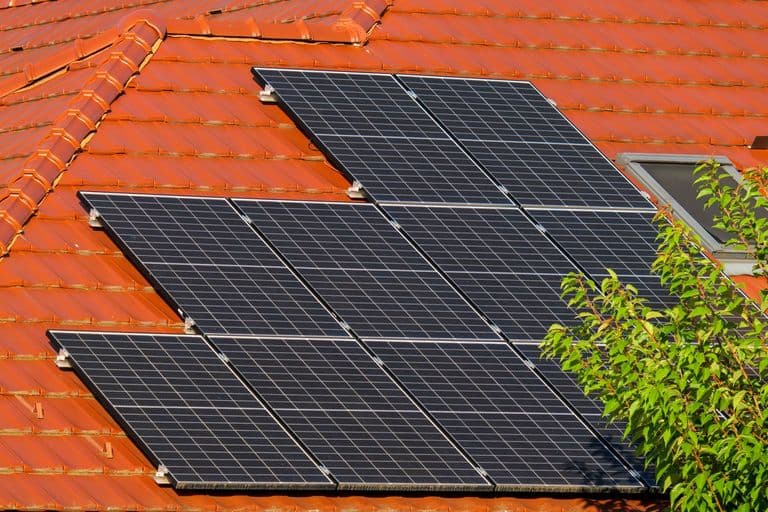
Jackery napelemes tető + SolarVault 3: otthoni energiatárolás új szinten
A Jackery bemutatta napelemes tetőrendszerét és SolarVault 3 otthoni energiatároló megoldását. Az új rendszer a saját felhasználás maximalizálására épít – ez pontosan az a terület, ahol a magyar háztulajdonosoknak is érdemes figyelni.
Napelem télen: hogyan bírja a rendszer a hideget?
Az amerikai Energiaügyi Minisztérium útmutatót adott ki napelemes rendszerek téliesítéséről és ellenállóképességének növeléséről. A témának Magyarországon is egyre nagyobb a tétje: a szélsőséges téli időjárás komoly kiesést okozhat a naperőművekben és a háztartási napelemeken egyaránt.
GM nátrium-ion akkumulátort gyárt hálózati tároláshoz
A General Motors és a Peak Energy bejelentette, hogy közösen fejlesztenek nátrium-ion akkumulátor cellákat hálózati energiatároláshoz. A GM a michigani laboratóriumaiban gyártja a cellákat, a Peak Energy pedig saját BESS-rendszereibe integrálja azokat. Ez az együttműködés az energiatárolás terén hozhat áttörést.
Hozzászólások
0 hozzászólásLegyél az első, aki hozzászól.