
Az Európai Bizottság szigorít a kínai inverterekkgyártókkal szemben: a Der Spiegel által elsőként közölt értesülések szerint az EU pénzeiből – például az Európai Beruházási Bank (EIB) vagy az Európai Beruházási Alap (EIF) forrásaiból – támogatott projekteknek a jövőben tilos lesz magas kockázatú szállítótól invertereket beszerezniük. Ez a gyakorlatban elsősorban a piacvezető kínai gyártókat érinti, amelyek az EU napelemes telepítéseinek jelentős hányadát látják el.
A Bizottság 2025 decemberében közzétett gazdaságbiztonsági közleményére hivatkozik, amelyben hat kiemelt kockázati területet azonosított. Az inverterekkel kapcsolatos legfőbb aggodalom: ha egy ország szállítóitól való tömeges függőség alakul ki, az lehetővé teheti az áramtermelési paraméterek manipulálását, a hálózati betáplálás zavarását, illetve az üzemi adatokhoz való jogosulatlan hozzáférést. Szélsőséges esetben ez akár széles körű áramkimaradásokat is okozhat.
Középtávú eszközként a Bizottság a Kiberbiztonsági Jogszabályra (Cybersecurity Act) támaszkodik, amelynek keretében a jövőben lehetőség nyílhat arra, hogy magas kockázatúnak minősített gyártók invertereit teljesen kizárják az EU belső piacáról. Mivel azonban a kockázatok már most is fennállnak, a Bizottság azonnali cselekvés mellett döntött, és iránymutatásokat dolgozott ki az uniós támogatások felhasználásának korlátozására.
Az átmeneti rendelkezések értelmében a már folyamatban lévő, európai hálózathoz csatlakoztatott (vagy csatlakoztatandó) projektek még részesülhetnek EU-finanszírozásban, ha azokat 2025. május 1-jéig bejelentik a Bizottságnál, és november 1-jéig döntésre előterjesztik. Minden egyéb új projekt esetén a magas kockázatú szállítók kizárása kötelező lesz. Magyarországon ez különösen releváns lehet, hiszen a hazai napelemes piac – akárcsak az EU egészén – erősen támaszkodik kínai gyártmányú inverterekre.
Gyors válasz magyar olvasóknak
Röviden
Az Európai Bizottság megtiltaná, hogy uniós forrásból finanszírozott napelemes és energetikai projektek úgynevezett magas kockázatú – jellemzően kínai – inverterbeszállítóktól szerezzenek be eszközöket. A lépés hátterében az áramhálózatot és a kritikus infrastruktúrát fenyegető kiberbiztonsági aggályok állnak. Az átmeneti szabályok szerint a már megkezdett projekteket 2025. május 1-ig be kell jelenteni, november 1-ig pedig döntést kell hozni a finanszírozásukról.
Mit jelent ez otthon?
Napelemnél a fogyasztási görbe, a tető adottsága és az inverter bővíthetősége dönti el, hogy a hír valóban érinti-e a megtérülést.
Következő lépés
Használj kalkulátort, majd kérj konkrét rendszertervet, mert a jó válasz házanként eltér.
Kalkulátorok megnyitásaNapi zaj helyett heti lényeg
Jónapelem ajánlat
Napelemes vagy energiatárolós rendszeren gondolkodik?
A jonapelem.hu-n komplett napelemes, hibrid inverteres és energiatárolós megoldásokról kérhet ajánlatot, tervezéssel és telepítéssel.
Kövesse az EnergiaPro-t Facebookon
A Facebook-oldalon rövid híreket, magyar piaci szempontokat és friss cikkajánlókat teszünk közzé.
Facebook oldal megnyitásaForrás: EU-Kommission will chinesische Wechselrichter aus EU-geförderten Projekten drängen - PV Magazine Deutschland· AI-asszisztált átfogalmazás
Kapcsolódó cikkek

Mennyit termel a napelem télen? Reális elvárások havi bontásban
A napelem télen a nyári termelés töredékét adja: a rövid nappalok, az alacsony napállás, a köd és a hó miatt a négy legsötétebb hónap együtt nagyságrendileg az éves termelés tizede-ötöde. Megmutatjuk, mit jelent ez a villanyszámlán és az önfogyasztásban, hogyan segít a tároló és az okos időzítés, mit tegyél a hóval, és miért ne a télre méretezd a rendszert.
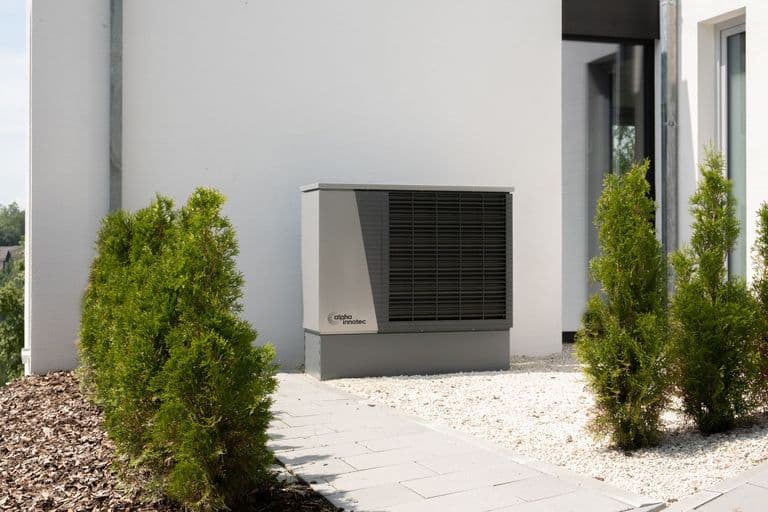
Hőszivattyú a fűtésszezon előtt: szeptemberi ellenőrzőlista
A hőszivattyú a leghidegebb hónapokban dolgozik a legtöbbet, de hogy mennyi áramból teszi, azt nagyrészt a szeptemberi előkészítés dönti el. Összeszedtük, mit érdemes magadnak átnézned a kültéri egységtől a fűtési görbéig, mit hagyj a szakszervizre, és hogyan hozhatod ki a legtöbbet a napelemből az őszi hónapokban.
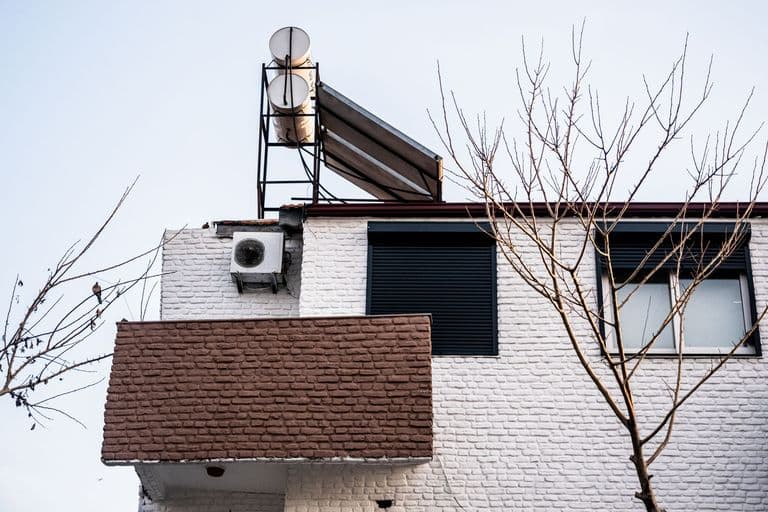
Klímázás napelemmel 2026 nyarán: ennyit spórolhatsz a hűtésen
A kánikulában a klíma a háztartás egyik legnagyobb áramfogyasztója — miközben a napelem éppen ilyenkor termel a legtöbbet. Megnéztük, mennyibe kerül a hűtés napelem nélkül és napelemmel, mekkora rendszer kell hozzá, és mire figyelj a méretezésnél.
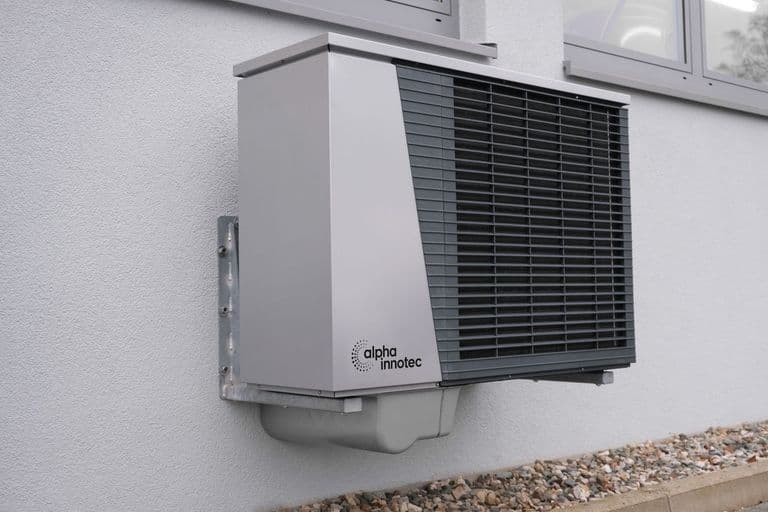
H tarifa, hőszivattyú és napelem: így gondolkodj együtt
A hőszivattyú, a napelem és a kedvezményes H tarifa együttes alkalmazása komoly megtakarítást hozhat egy magyar családi házban — de csak akkor, ha az összképet nézzük, nem külön-külön az egyes elemeket. Ez az útmutató végigvezet a döntési logikán, a buktatókon és a legfontosabb szempontokon.
Hozzászólások
0 hozzászólásLegyél az első, aki hozzászól.