
A This Week in Cleantech podcast legújabb epizódjában Bianca Giacobone, a Latitude Media munkatársa részletezte, hogyan gyűrűztek be az iráni katonai akciók a globális nyersanyagpiacokra. Irán az elmúlt hónapban alumíniumkohókat támadott meg az Egyesült Arab Emírségekben és Bahreinben, amelyek Közel-Kelet két meghatározó ipari szereplője.
A csapások következtében az alumínium ára 11%-kal emelkedett, és ezzel elérte a 2022 februárja – vagyis Oroszország Ukrajna elleni inváziója – óta mért legmagasabb szintet. Az alumínium kulcsanyag a megújuló energia infrastruktúrájában: napelemkeretek, elektromos vezetékek és akkumulátorrendszerek egyaránt igénylik.
Az árrobbanás közvetlenül érinti az energiaátmenet költségeit is. Drágább alumínium esetén a napelempanelek, a szélturbina-alkatrészek és az elektromos hálózati infrastruktúra fejlesztése is többe kerülhet, ami lassíthatja a zöldenergia-beruházásokat – különösen az európai és észak-amerikai piacokon.
A geopolitikai kockázatok tehát nemcsak az olajpiacot, hanem a tiszta energia iparágát is közvetlenül érintik. Magyar szempontból is releváns a helyzet: a hazai napelemes és hőszivattyús piacon az importált alumíniumkomponensek áremelkedése középtávon megjelenhet a rendszerárakban.
Gyors válasz magyar olvasóknak
Röviden
Irán UAE-ben és Bahreinben végrehajtott alumíniumkohó-elleni csapásai az elmúlt hónapban 11%-kal dobták meg az alumínium világpiaci árát – ez a legmagasabb szint az orosz–ukrán háború 2022-es kitörése óta. A geopolitikai feszültség hatásai az energiarendszerekben is megmutatkoznak.
Mit jelent ez otthon?
A magyar háztartásoknál a hír akkor válik gyakorlati döntéssé, ha fogyasztási adattal, villanyszámlával és jövőbeli bővítési tervvel együtt nézzük.
Következő lépés
Használj kalkulátort, majd kérj konkrét rendszertervet, mert a jó válasz házanként eltér.
Kalkulátorok megnyitásaNapi zaj helyett heti lényeg
Jónapelem ajánlat
Napelemes vagy energiatárolós rendszeren gondolkodik?
A jonapelem.hu-n komplett napelemes, hibrid inverteres és energiatárolós megoldásokról kérhet ajánlatot, tervezéssel és telepítéssel.
Kövesse az EnergiaPro-t Facebookon
A Facebook-oldalon rövid híreket, magyar piaci szempontokat és friss cikkajánlókat teszünk közzé.
Facebook oldal megnyitásaForrás: Why the effects on the Iran conflict will be felt on the US grid – This Week in Cleantech - Renewable Energy World· AI-asszisztált átfogalmazás
Kapcsolódó cikkek
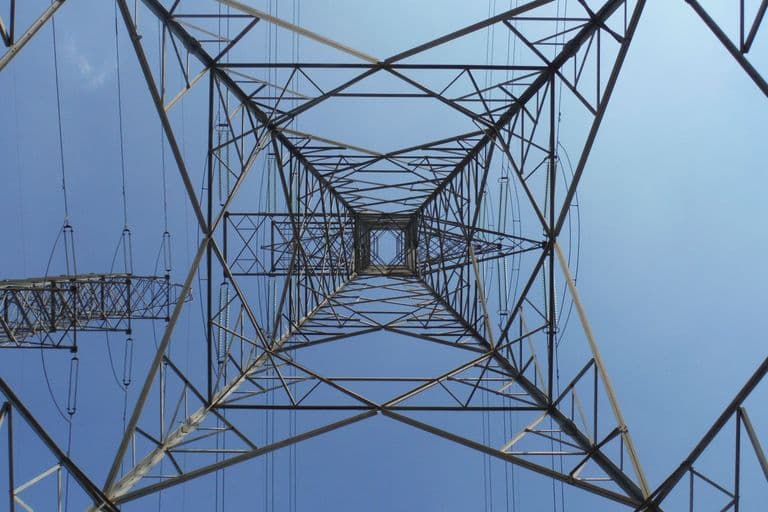
Okos hálózat: a kommunikáció az energiarendszer alapja
Az Utility Broadband Alliance (UBBA) új tagokkal bővült, köztük az Eversource Energy és a Hawaiian Electric vállalatokkal. A szövetség célja, hogy a korszerű kommunikációs hálózatok révén tegyék megbízhatóbbá és rugalmasabbá az elektromos hálózatot – ami otthoni napelemes rendszerek és energiatárolók szempontjából sem közömbös.
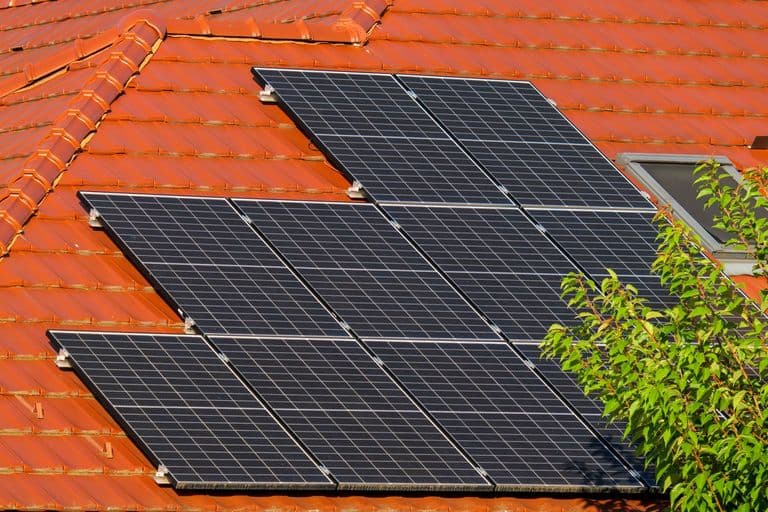
Jackery napelemes tető + SolarVault 3: otthoni energiatárolás új szinten
A Jackery bemutatta napelemes tetőrendszerét és SolarVault 3 otthoni energiatároló megoldását. Az új rendszer a saját felhasználás maximalizálására épít – ez pontosan az a terület, ahol a magyar háztulajdonosoknak is érdemes figyelni.
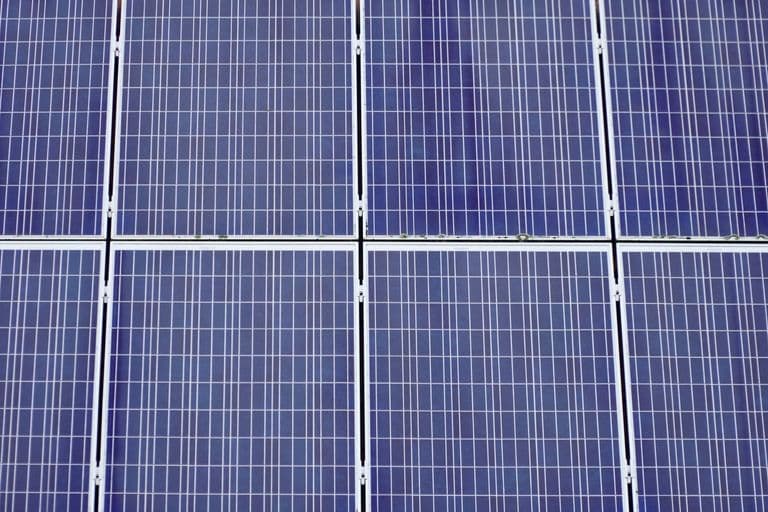
Napelem télen: hogyan bírja a rendszer a hideget?
Az amerikai Energiaügyi Minisztérium útmutatót adott ki napelemes rendszerek téliesítéséről és ellenállóképességének növeléséről. A témának Magyarországon is egyre nagyobb a tétje: a szélsőséges téli időjárás komoly kiesést okozhat a naperőművekben és a háztartási napelemeken egyaránt.
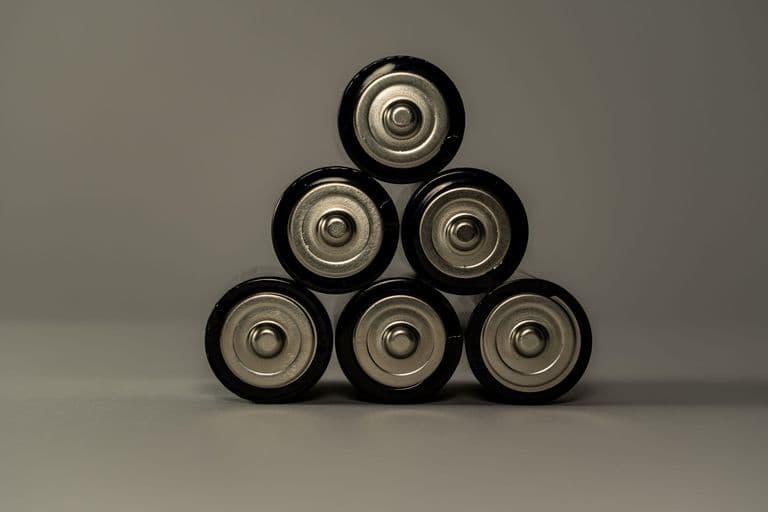
GM nátrium-ion akkumulátort gyárt hálózati tároláshoz
A General Motors és a Peak Energy bejelentette, hogy közösen fejlesztenek nátrium-ion akkumulátor cellákat hálózati energiatároláshoz. A GM a michigani laboratóriumaiban gyártja a cellákat, a Peak Energy pedig saját BESS-rendszereibe integrálja azokat. Ez az együttműködés az energiatárolás terén hozhat áttörést.
Hozzászólások
0 hozzászólásLegyél az első, aki hozzászól.