
Persistently high gasoline prices across Europe and beyond have made electric vehicles increasingly attractive to everyday drivers. Yet the decision to go electric is not simply about fuel savings — it involves a realistic look at your driving habits, home setup, and financial situation before committing to a purchase.
The most fundamental question is where you will charge. Drivers with a private garage or dedicated parking spot can install a home wallbox relatively easily, turning overnight charging into a routine. Those living in apartment buildings without dedicated parking face a bigger challenge and will depend more heavily on public charging infrastructure, which — while expanding rapidly across the EU — is still uneven in coverage depending on the region.
Your typical daily mileage matters enormously. If you drive fewer than 150 km per day, the vast majority of modern EVs will handle your needs with battery capacity to spare. For frequent long-distance trips, it is worth mapping out fast-charging options along your regular routes — networks like Ionity, Tesla Supercharger, and various national providers are steadily filling in the gaps across Europe.
On the financial side, EVs generally carry a higher upfront price than comparable combustion-engine cars, but running costs are significantly lower. Charging at home typically costs a fraction of filling up with gasoline, and maintenance expenses are reduced due to fewer moving parts. Many EU countries also offer purchase subsidies or tax incentives that can narrow the price gap considerably.
Finally, consider the battery warranty and long-term value. Most manufacturers now offer 8-year or 160,000 km battery warranties, which reduces the risk of a costly replacement during typical ownership periods. Comparing warranty terms across models is a smart step before signing any contract.
Jónapelem quote
Planning solar panels or home battery storage?
jonapelem.hu helps with complete solar, hybrid inverter and battery storage systems in Hungary, from planning to installation.
Source: High gas prices have you considering an electric car? Ask yourself these questions before making the switch. - Yahoo - Google News — EV· Based on source, with AI-assisted rewriting.
Related articles
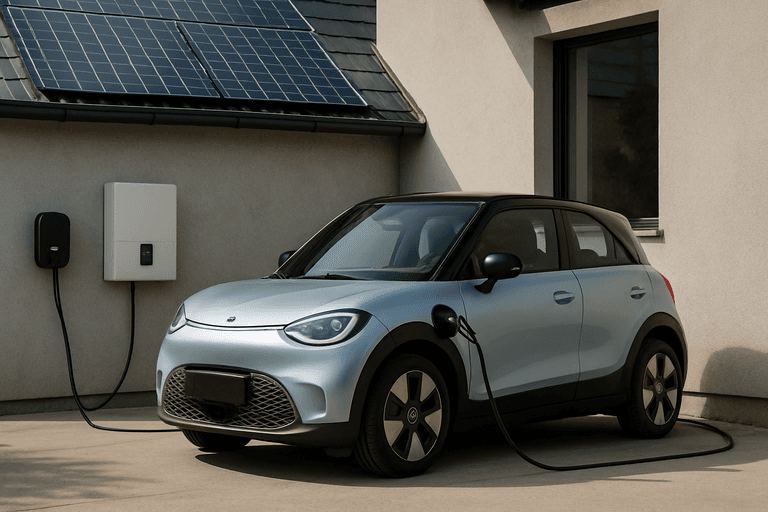
Smart Europe CEO Ufer: #2 model marks new EV era
Wolfgang Ufer, newly appointed CEO of Smart Europe, has laid out ambitious growth plans for the brand across European markets. The upcoming Smart #2 and a potential return to two-seater roots could redefine Smart's identity in an increasingly competitive EV landscape.
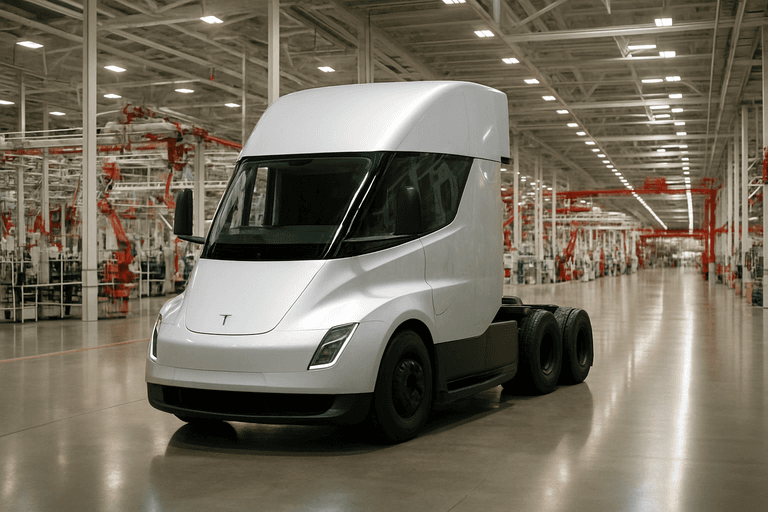
Tesla Semi enters high-volume production, targeting 50,000 trucks/year
Tesla has rolled the first Semi electric truck off its high-volume production line, setting a target of 50,000 units per year. The milestone marks a pivotal moment for decarbonising road freight and logistics globally.
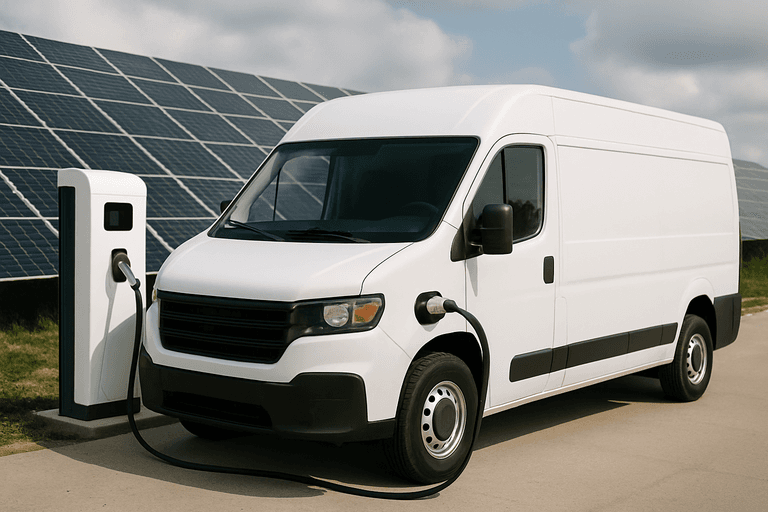
Workhorse wins 100-van electric fleet order: 65% cost cut claimed
US-based Workhorse Group has secured a 100-vehicle electric van order, betting that real-world fleet operations will prove a 65% reduction in running costs versus combustion alternatives. The deal is a significant signal for the growing electric commercial vehicle market.
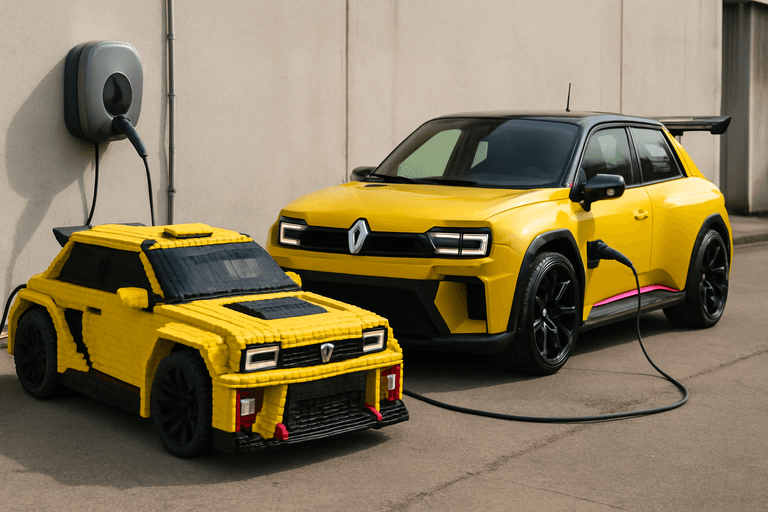
Fan-built LEGO Renault 5 Turbo 3E could become an official set
A British LEGO enthusiast has built a detailed brick replica of the all-electric Renault 5 Turbo 3E before the car even reaches production. The project went viral, and Renault itself is now supporting the push to make it an official LEGO Ideas set.
Comments
0 commentsBe the first to comment.