
A Tesla texasi Gigafactory üzemében elkészült az első olyan Cybercab, amely már valódi gyártási alvázszámmal (VIN) rendelkezik – ez azt jelzi, hogy a robotaxi sorozatgyártása megkezdődött. A mérföldkő nem csupán a Tesla, hanem az egész önvezető elektromos közlekedési ágazat szempontjából is kiemelkedő.
A Cybercab egy kétüléses, teljesen elektromos robotaxi, amelyet a Tesla kifejezetten autonóm személyszállításra tervezett. A jármű kormánykerék és hagyományos pedálok nélkül készül, ezzel is hangsúlyozva, hogy nem emberi vezető, hanem mesterséges intelligencia irányítja.
Magyarország szempontjából az önvezető taxiszolgáltatások egyelőre a jövő zenéje, hiszen a hazai szabályozás még nem teszi lehetővé a teljesen autonóm üzemeltetést közutakon. Ugyanakkor az elektromos közlekedés iránt érdeklődő magyar olvasók figyelemmel kísérhetik, hogy a Cybercab mikor és hogyan jelenhet meg az európai piacon.
A Tesla még nem közölte a pontos szériagyártási ütemtervet, sem az európai piacra lépés dátumát, de a gyártási VIN kiadása egyértelműen azt jelzi, hogy a projekt az ígéretek beváltásának fázisába lépett. Az elektromos közlekedés következő nagy fejezetének első kézzel fogható példánya tehát már létezik.
Gyors válasz magyar olvasóknak
Röviden
A Tesla texasi gyárában legördült a futószalagról az első, gyártási azonosítóval ellátott Cybercab robotaxi. A kétüléses, teljesen autonóm jármű mérföldkövet jelent az önvezető elektromos közlekedés történetében.
Mit jelent ez otthon?
Elektromos autónál az otthoni töltési időpont, a napelemes arány és a napi futás adja a valódi költségkülönbséget.
Következő lépés
Használj kalkulátort, majd kérj konkrét rendszertervet, mert a jó válasz házanként eltér.
Kalkulátorok megnyitásaNapi zaj helyett heti lényeg
Jónapelem ajánlat
Napelemes vagy energiatárolós rendszeren gondolkodik?
A jonapelem.hu-n komplett napelemes, hibrid inverteres és energiatárolós megoldásokról kérhet ajánlatot, tervezéssel és telepítéssel.
Kövesse az EnergiaPro-t Facebookon
A Facebook-oldalon rövid híreket, magyar piaci szempontokat és friss cikkajánlókat teszünk közzé.
Facebook oldal megnyitásaForrás: First Tesla Cybercab with production VIN rolls off production line - The Driven· AI-asszisztált átfogalmazás
Kapcsolódó cikkek
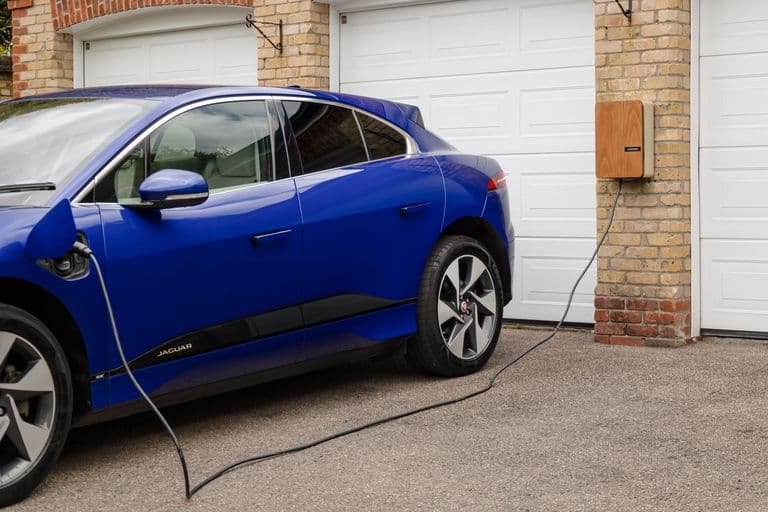
Elektromos autó télen: hatótáv, otthoni töltés és előfűtés
Télen egy elektromos autó hatótávja jellemzően érezhetően kisebb, mint nyáron: a lehűlt akkumulátor lassuló kémiája és az utastér fűtése együtt viszi el az energiát. A töltőről indított előfűtés, a kíméletes éjszakai otthoni töltés és a napelemes háztartásban az okos időzítés azonban a veszteség jelentős részét ledolgozza. Megnézzük, mire számíts, és hogyan illeszd az autót az otthoni energiarendszerbe.
Holland hálózati dugók: hőszivattyú és EV-töltés kérdőjelei
Hollandiában ezrek kaptak figyelmeztetést: a súlyosbodó hálózati torlódások miatt felül kell vizsgálniuk hőszivattyú- és EV-töltési terveiket. A jelenség Magyarországon sem ismeretlen — a hálózati integráció egyre kritikusabb kérdés.
GM: nátrium-ion akkumulátor és V2G egyszerre
A GM június 9-én San Franciscóban bejelentette, hogy nátrium-ion alapú, hálózati méretű energiatároló rendszert fejleszt az USA-ban, és meglévő elektromos autóit hardvercsere nélkül V2G-képessé teszi. Ez a két lépés egyszerre érinti az otthoni és közösségi energiatárolást, valamint a hálózati integrációt.
150 erőmű vagy elektromos autók – melyik olcsóbb?
Ha az EU visszavesz az elektromos autókra vonatkozó céljaiból, Európának akár 150 új erőműre lehet szüksége a hálózat egyensúlyának fenntartásához. Az elektromos autók ugyanis nem csupán közlekedési eszközök – mozgó akkumulátorként alapvetően átírják az energiatárolás és a hálózati integráció matematikáját.
Hozzászólások
0 hozzászólásLegyél az első, aki hozzászól.