
A londoni székhelyű független energiatermelő, a Globeleq elindította Zambia legnagyobb hibrid megújulóenergia-projektjét, a Leopards Hill Solar and Battery Projectet. A fejlesztés helyszíne a Lusaka tartományban lévő Chongwe körzetben, a Kyindu Ranch területén található, mintegy 25 km-re Lusaka belvárosától délkeletre. Az építkezés megkezdésével párhuzamosan a Globeleq hálózatcsatlakozási megállapodást írt alá a zambiumi állami közüzemi vállalattal, a ZESCO-val.
A projekt 250 MW-os napelemrendszert és egy 150 MW / 600 MWh kapacitású, négyhórás kisütési idejű akkumulátoros energiatároló rendszert (BESS) ötvöz. Ez a kombináció lehetővé teszi a csúcsidős villamosenergia-igény kielégítését, valamint a hálózati feszültség és frekvencia stabilizálását – olyan kihívások, amelyek Zambia villamosenergia-rendszerének fejlesztése szempontjából kiemelt fontosságúak.
A Globeleq – amelynek tulajdonosai a British International Investment és a norvég Norfund – 2025-ben nyitotta meg lusakai irodáját. Zambiában egyéb fejlesztéseket is folytat: 51%-os részesedéssel rendelkezik a Lunsemfwa Hydro Power Companyban, és a GET FiT Zambia program keretében hamarosan pénzügyi záráshoz ér a 56 MW-os Kafue Solar projekt is. A Leopards Hill projektet a Zambiában mezőgazdasági tevékenységet folytató Leopard Investment Company-vel közösen valósítják meg, amely a helyi alállomást is üzemelteti.
Az építési csúcsidőszakban 200–250 munkahely teremtése várható, az üzembe helyezés után pedig hosszú távú állások is létrejönnek. A pénzügyi zárás 2026 végére van tervezve. Zambia jelenleg mintegy 912 MW működő napelemkapacitással rendelkezik 142 projekt alapján – az afrikai napenergiaipari szövetség (AFSIA) adatai szerint –, és a Leopards Hill projekt e kapacitás közel 27%-ával fogja bővíteni az ország napenergia-portfólióját.
Gyors válasz magyar olvasóknak
Röviden
A Globeleq megkezdte Zambia eddigi legnagyobb megújulóenergia-projektjének építését: a Leopards Hill fejlesztés 250 MW napelemkapacitást és 150 MW/600 MWh-s akkumulátoros tárolót kombinál Lusaka közelében. A pénzügyi zárás 2026 végére várható.
Mit jelent ez otthon?
Energiatárolónál azt kell nézni, van-e elég nappali többlet, és mekkora esti fogyasztást kell áthidalni.
Következő lépés
Használj kalkulátort, majd kérj konkrét rendszertervet, mert a jó válasz házanként eltér.
Kalkulátorok megnyitásaNapi zaj helyett heti lényeg
Jónapelem ajánlat
Napelemes vagy energiatárolós rendszeren gondolkodik?
A jonapelem.hu-n komplett napelemes, hibrid inverteres és energiatárolós megoldásokról kérhet ajánlatot, tervezéssel és telepítéssel.
Kövesse az EnergiaPro-t Facebookon
A Facebook-oldalon rövid híreket, magyar piaci szempontokat és friss cikkajánlókat teszünk közzé.
Facebook oldal megnyitásaForrás: Work begins on Zambia’s largest solar-plus-storage project - PV Magazine International· AI-asszisztált átfogalmazás
Kapcsolódó cikkek
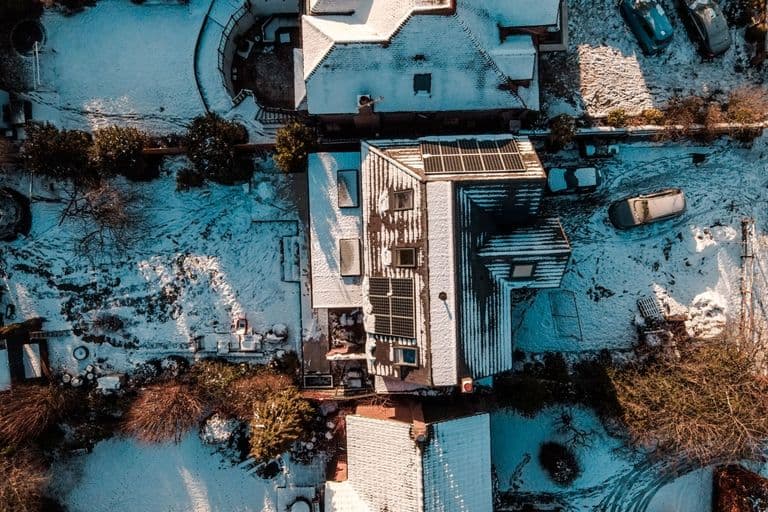
Mennyit termel a napelem télen? Reális elvárások havi bontásban
A napelem télen a nyári termelés töredékét adja: a rövid nappalok, az alacsony napállás, a köd és a hó miatt a négy legsötétebb hónap együtt nagyságrendileg az éves termelés tizede-ötöde. Megmutatjuk, mit jelent ez a villanyszámlán és az önfogyasztásban, hogyan segít a tároló és az okos időzítés, mit tegyél a hóval, és miért ne a télre méretezd a rendszert.
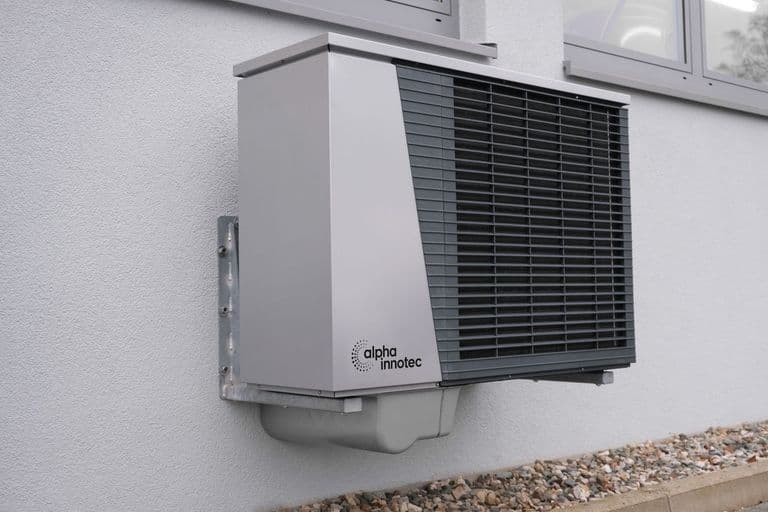
H tarifa, hőszivattyú és napelem: így gondolkodj együtt
A hőszivattyú, a napelem és a kedvezményes H tarifa együttes alkalmazása komoly megtakarítást hozhat egy magyar családi házban — de csak akkor, ha az összképet nézzük, nem külön-külön az egyes elemeket. Ez az útmutató végigvezet a döntési logikán, a buktatókon és a legfontosabb szempontokon.
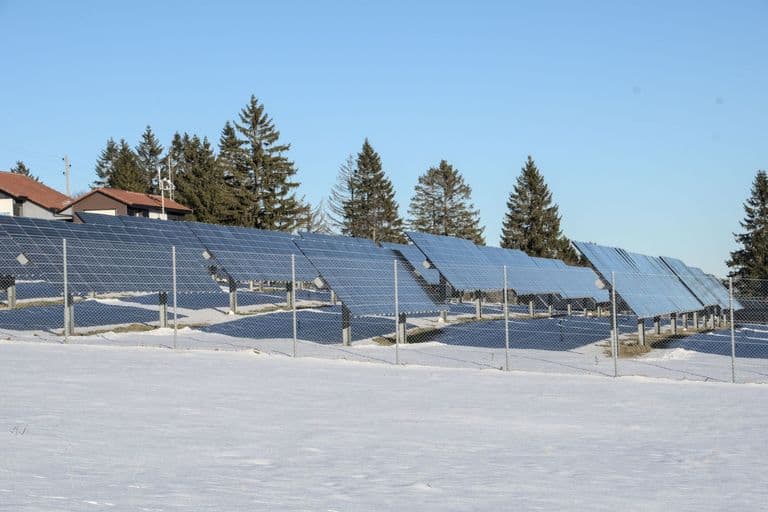
Napelem az Arktiszon: meglepő eredmények Svalbardról
A norvég SINTEF kutatói megvizsgálták, mekkora napelemes potenciál rejlik Longyearbyenben, a világ egyik legészakibb lakott településén. Kiderült: a sarki nyár idején a kapacitásfaktor elérheti a közép-európai értékeket – ez komoly tanulság minden szélsőséges éghajlatú helyszínre, beleértve a megújuló energiás rendszertervezést is.
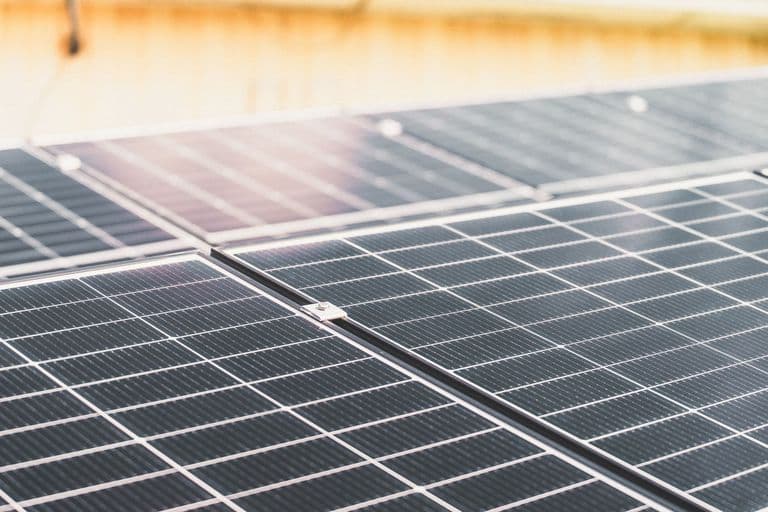
Napelem + klímafűtés: mikor segít a villanyszámlán?
A napelem és a klímaalapú fűtés kombinációja látszólag tökéletes páros – de valójában csak akkor csökkenti érzékelhetően a villanyszámlát, ha a két rendszer üzemideje átfed. Ez a cikk segít eldönteni, hogy a te házadban megéri-e, és mire kell figyelni a tervezésnél.
Hozzászólások
0 hozzászólásLegyél az első, aki hozzászól.