
A self-driving electric shuttle called BumbleB, developed by German engineering company Bertrandt, has entered live trials at the Fraunhofer campus in Stuttgart. The project is led by Fraunhofer and focuses on reimagining how companies and institutions can handle short-distance employee mobility in a more sustainable way.
The BumbleB shuttle will operate a fixed route connecting the research campus to a nearby S-Bahn commuter rail station, serving as a last-mile link for employees and visitors. This type of campus-to-transit connection is increasingly seen as a practical entry point for deploying autonomous electric vehicles in controlled environments.
The Stuttgart trial is part of a broader European push to develop and validate autonomous mobility solutions in real urban and semi-urban settings. Germany, with its strong automotive industry heritage and active research infrastructure, is well positioned to lead such pilot programs.
If successful, projects like BumbleB could provide a scalable blueprint for autonomous electric shuttles at corporate parks, hospitals, universities, and other campuses across the EU — complementing public transit rather than replacing it.
Jónapelem quote
Planning solar panels or home battery storage?
jonapelem.hu helps with complete solar, hybrid inverter and battery storage systems in Hungary, from planning to installation.
Source: Autonomous ‘BumbleB’ shuttle begins campus trials in Stuttgart mobility project - Electrive (EN)· Based on source, with AI-assisted rewriting.
Related articles
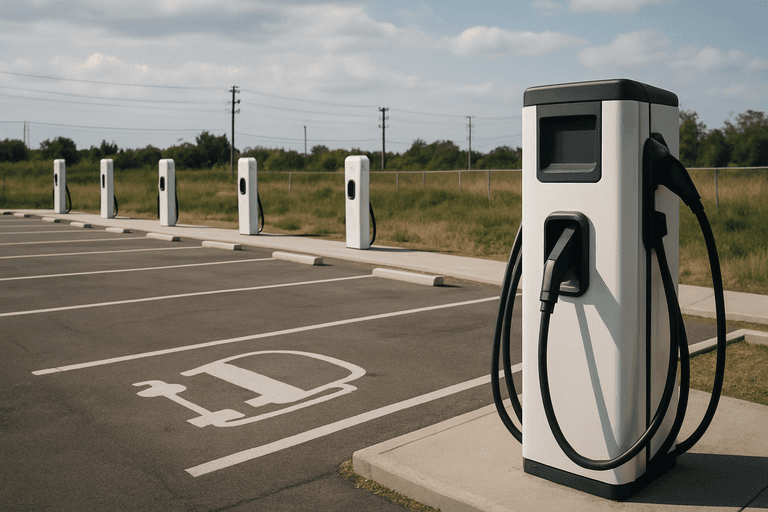
NJ spent $0 on EV chargers despite $300M federal grant
New Jersey received $300 million in federal NEVI funding to build EV charging infrastructure, yet has not completed a single charging station. The case highlights how bureaucratic bottlenecks can stall even well-funded clean transport programs.
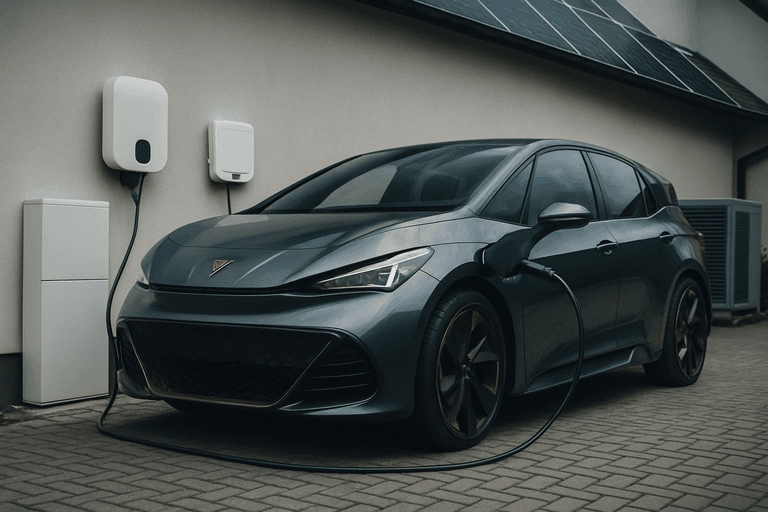
Cupra Born Facelift First Drive: More Than a Sporty-Looking EV?
The refreshed Cupra Born gets upgrades in both design and technology, aiming to finally back up its sporty looks with real driving dynamics. Here are the first impressions from behind the wheel — and what sets it apart from its VW ID.3 sibling.
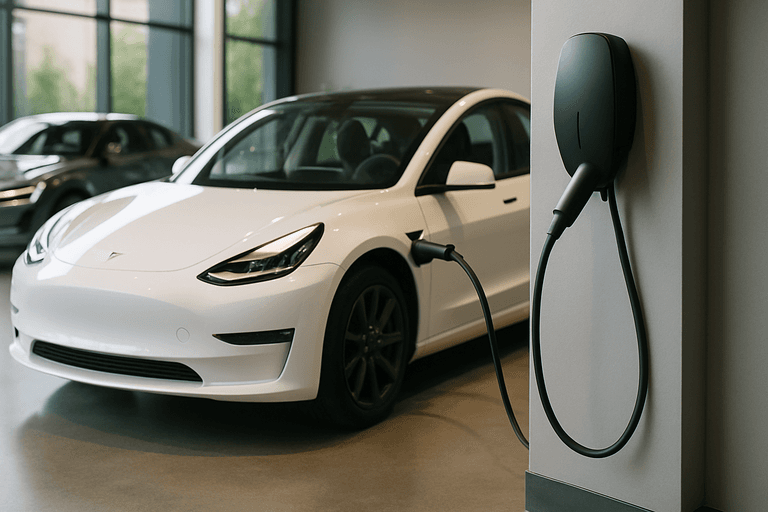
Tesla & Polestar EV Sales Double in April Surge
Tesla and Polestar recorded more than double their sales figures in April, signalling that EV demand is accelerating globally as fuel costs push consumers toward electric vehicles.
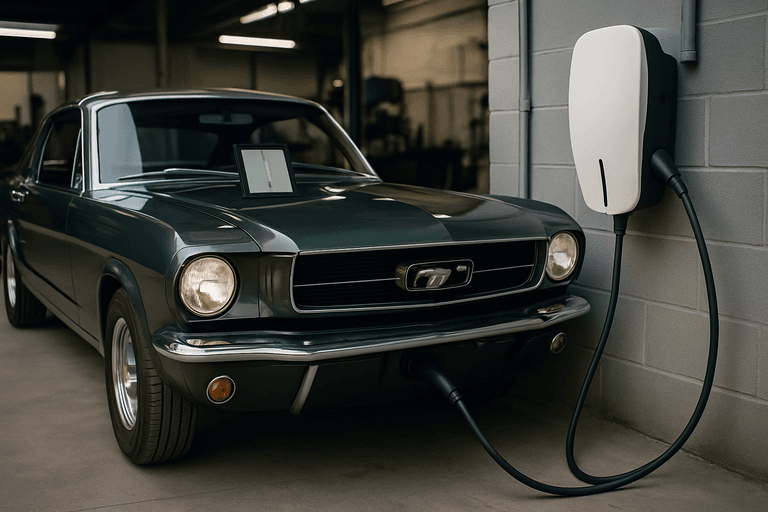
1966 Mustang reborn as a Tesla with working Full Self-Driving
A Sacramento-based Tesla parts shop owner spent $40,000 and two years converting a 1966 Ford Mustang into a fully functional Tesla — complete with FSD. It is likely the world's first non-Tesla vehicle to successfully run Tesla's Full Self-Driving system.
Comments
0 commentsBe the first to comment.