
The U.S. Department of Energy (DOE) regularly publishes cost benchmark reports for solar photovoltaic (PV) systems, breaking down installation expenses across residential, commercial, and utility-scale categories. These benchmarks serve as a widely-used reference for investors, policymakers, and installers around the world.
According to the latest data, residential PV system costs in the U.S. typically range between $2.50 and $3.50 per watt of installed capacity. While hardware costs — including modules and inverters — have fallen sharply over the past decade, so-called 'soft costs' such as permitting, labor, and customer acquisition now represent a growing share of the total price.
The utility-scale segment continues to see the lowest costs per watt, benefiting from economies of scale and streamlined procurement. Commercial rooftop systems sit in between, though their costs vary widely depending on roof type, local regulations, and grid connection requirements.
For the broader global solar market, the DOE benchmarks provide a useful baseline. In Europe, installation costs are broadly comparable, though national incentive schemes, grid tariffs, and labor markets create significant variation. The overarching message remains clear: solar PV is now one of the cheapest sources of new electricity generation worldwide.
Jónapelem quote
Planning solar panels or home battery storage?
jonapelem.hu helps with complete solar, hybrid inverter and battery storage systems in Hungary, from planning to installation.
Source: Solar Photovoltaic System Cost Benchmarks - Department of Energy (.gov) — Google News — Solar· Based on source, with AI-assisted rewriting.
Related articles
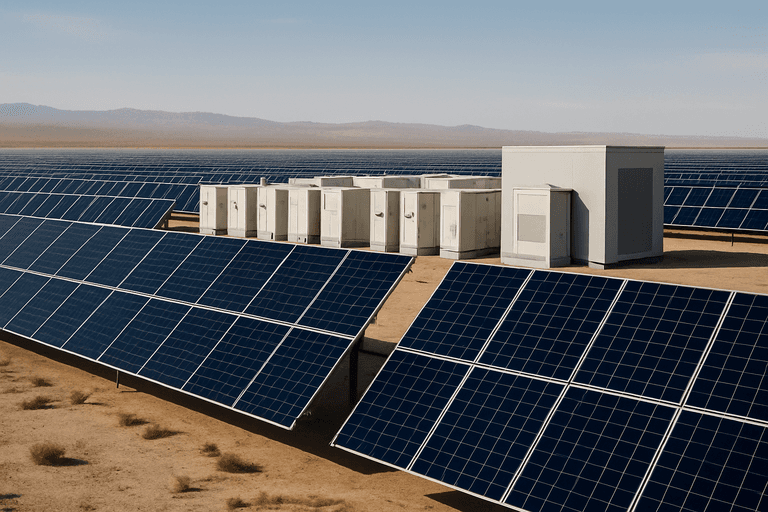
Solar & storage to power record 86 GW U.S. grid expansion in 2026
The U.S. electric grid is heading for a record-breaking year, with 86 GW of new utility-scale capacity planned for 2026 according to EIA data. Solar and battery storage will account for nearly 80% of all additions, accelerating the country's energy transition as renewables hit 26% of total electricity generation.
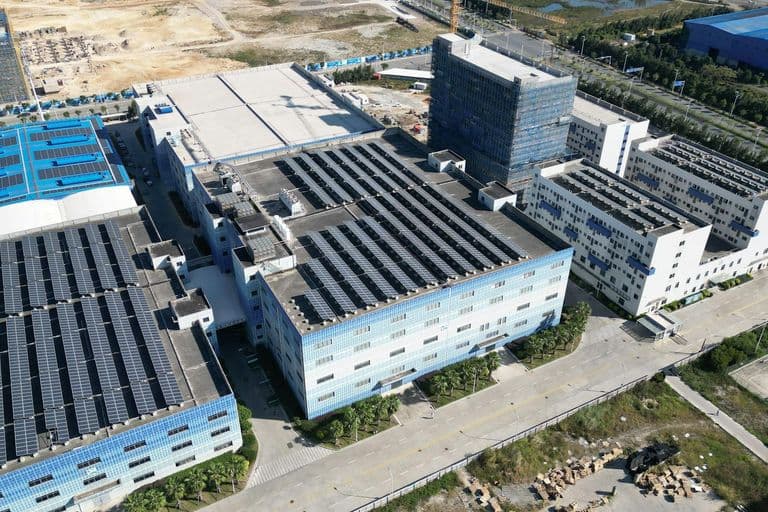
Inox Clean Energy in talks to acquire Boviet Solar
India-based Inox Clean Energy is in talks to acquire Boviet Solar from Chinese parent company Ningbo Boway Alloy Material. The deal would transfer 100% ownership to INOX Solar Americas, the U.S. arm of Inox. This move signals growing Indian ambition in the global solar panel market.
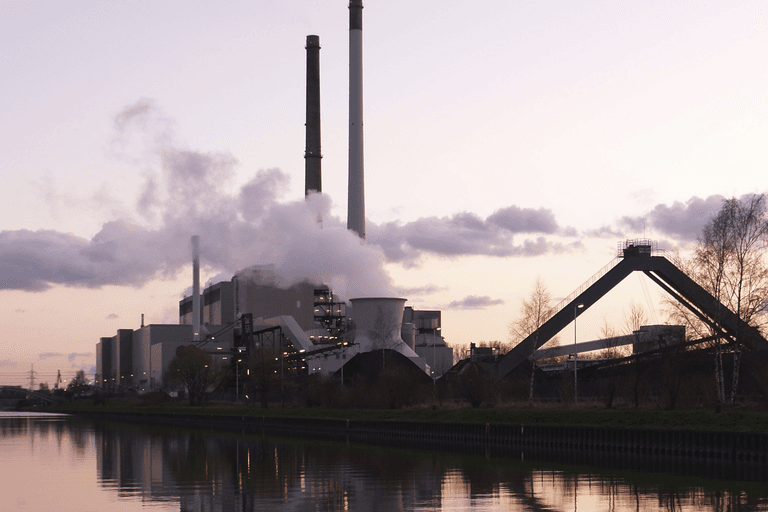
Fossil Fuels Are Fading: The Energy Transition Accelerates
Fossil fuels are losing ground globally as solar, wind, and electric mobility surge ahead. The energy transition is no longer a distant prospect — it is reshaping power markets, transport, and household energy choices right now.
EU to ban high-risk inverters from solar projects with public funding
The European Commission is moving to exclude inverters from so-called high-risk suppliers — predominantly Chinese manufacturers — from all EU-funded energy projects. The decision is driven by cybersecurity concerns over potential interference with power grids and critical infrastructure. Ongoing projects may still qualify for EU funding if registered by 1 May and submitted for a decision by 1 November.
Comments
0 commentsBe the first to comment.