
Az adatközpontok fejlesztése körüli vita egyre élesebb: a helyi lakosok sokszor úgy érzik, hogy a masszív létesítmények a szomszédságukban nőnek ki a földből, miközben ők semmilyen beleszólással nem rendelkeznek. A Renewable Energy World elemzése szerint ez az ellenállás nem véletlen – a közösségek tájékoztatása és bevonása sok esetben elmarad.
Ugyanakkor az adatközpontok rövid és hosszú távú gazdasági előnyei kézzelfoghatók: munkahelyteremtés, helyi adóbevételek és az energiainfrastruktúra fejlesztése mind a helyi közösségek javát is szolgálhatják. A kulcs az, hogy a közművek és fejlesztők proaktív stratégiát alkalmazzanak, és ne utólag próbálják megnyerni a közvéleményt.
Az energiaátmenet szempontjából különösen fontos, hogy az adatközpontok hatalmas villamosenergia-igénye kikényszerítheti a hálózatkorszerűsítést – ami hosszabb távon a megújuló energia integrációját is segíti. Magyar vonatkozásban ez releváns, hiszen a hazai villamoshálózat fejlesztése is napirenden van, és az ilyen nagyfogyasztók megjelenése gyorsíthatja a beruházásokat.
A szakértők szerint a megoldás a partnerségi szemléletben rejlik: ha a helyi közösségek valódi partnernek érzik magukat – nem csupán elszenvedői a fejlesztéseknek –, az ellenállás csökkenthető. Átlátható kommunikáció, közösségi energia-előnyök megosztása és a hálózatfejlesztés összehangolása hozhatja el ezt a szemléletváltást.
Gyors válasz magyar olvasóknak
Röviden
Az adatközpontok robbanásszerű terjedése egyre több helyi közösségben vált ki ellenállást – de a szakértők szerint ez az energiaátmenet szempontjából valójában lehetőség: a hálózatkorszerűsítés katalizátora lehet.
Mit jelent ez otthon?
A magyar háztartásoknál a hír akkor válik gyakorlati döntéssé, ha fogyasztási adattal, villanyszámlával és jövőbeli bővítési tervvel együtt nézzük.
Következő lépés
Használj kalkulátort, majd kérj konkrét rendszertervet, mert a jó válasz házanként eltér.
Kalkulátorok megnyitásaNapi zaj helyett heti lényeg
Jónapelem ajánlat
Napelemes vagy energiatárolós rendszeren gondolkodik?
A jonapelem.hu-n komplett napelemes, hibrid inverteres és energiatárolós megoldásokról kérhet ajánlatot, tervezéssel és telepítéssel.
Kövesse az EnergiaPro-t Facebookon
A Facebook-oldalon rövid híreket, magyar piaci szempontokat és friss cikkajánlókat teszünk közzé.
Facebook oldal megnyitásaForrás: How can utilities transform data center backlash into a catalyst for grid modernization? - Renewable Energy World· AI-asszisztált átfogalmazás
Kapcsolódó cikkek
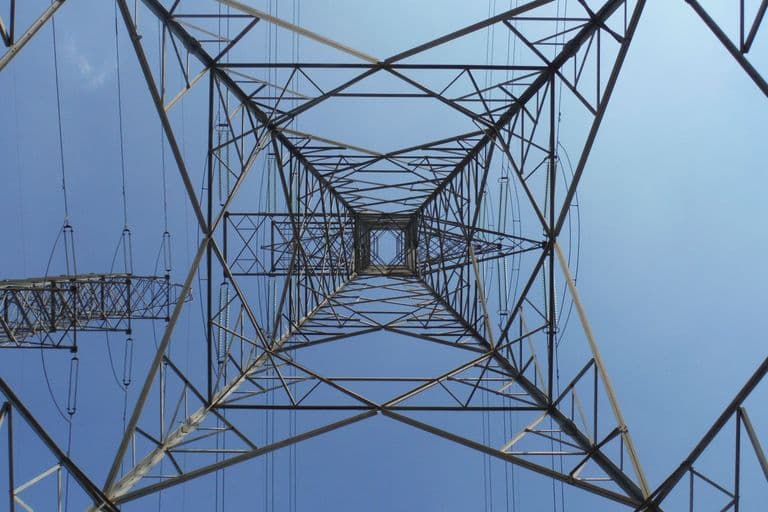
Okos hálózat: a kommunikáció az energiarendszer alapja
Az Utility Broadband Alliance (UBBA) új tagokkal bővült, köztük az Eversource Energy és a Hawaiian Electric vállalatokkal. A szövetség célja, hogy a korszerű kommunikációs hálózatok révén tegyék megbízhatóbbá és rugalmasabbá az elektromos hálózatot – ami otthoni napelemes rendszerek és energiatárolók szempontjából sem közömbös.
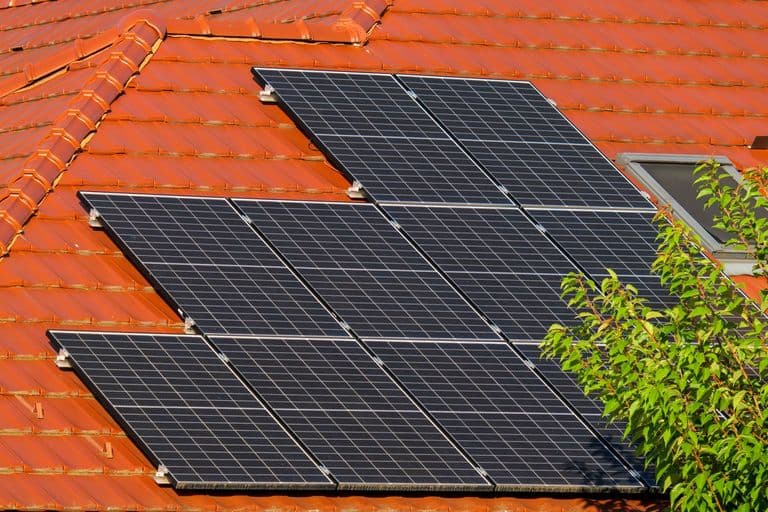
Jackery napelemes tető + SolarVault 3: otthoni energiatárolás új szinten
A Jackery bemutatta napelemes tetőrendszerét és SolarVault 3 otthoni energiatároló megoldását. Az új rendszer a saját felhasználás maximalizálására épít – ez pontosan az a terület, ahol a magyar háztulajdonosoknak is érdemes figyelni.
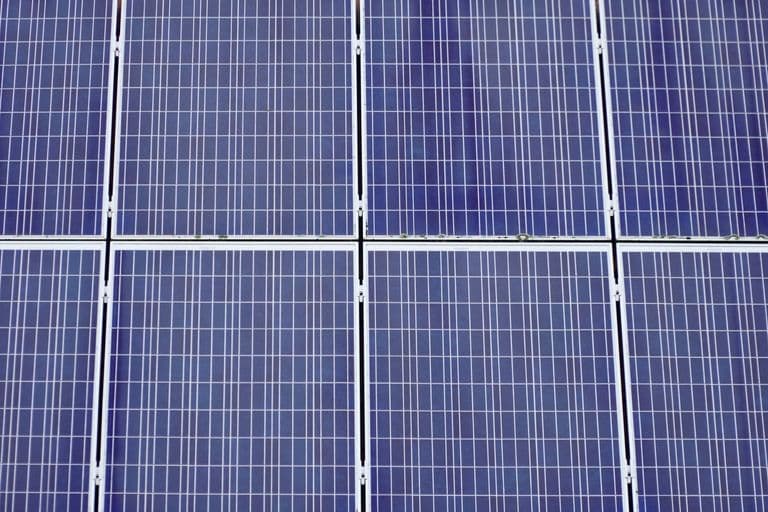
Napelem télen: hogyan bírja a rendszer a hideget?
Az amerikai Energiaügyi Minisztérium útmutatót adott ki napelemes rendszerek téliesítéséről és ellenállóképességének növeléséről. A témának Magyarországon is egyre nagyobb a tétje: a szélsőséges téli időjárás komoly kiesést okozhat a naperőművekben és a háztartási napelemeken egyaránt.

GM nátrium-ion akkumulátort gyárt hálózati tároláshoz
A General Motors és a Peak Energy bejelentette, hogy közösen fejlesztenek nátrium-ion akkumulátor cellákat hálózati energiatároláshoz. A GM a michigani laboratóriumaiban gyártja a cellákat, a Peak Energy pedig saját BESS-rendszereibe integrálja azokat. Ez az együttműködés az energiatárolás terén hozhat áttörést.
Hozzászólások
0 hozzászólásLegyél az első, aki hozzászól.